
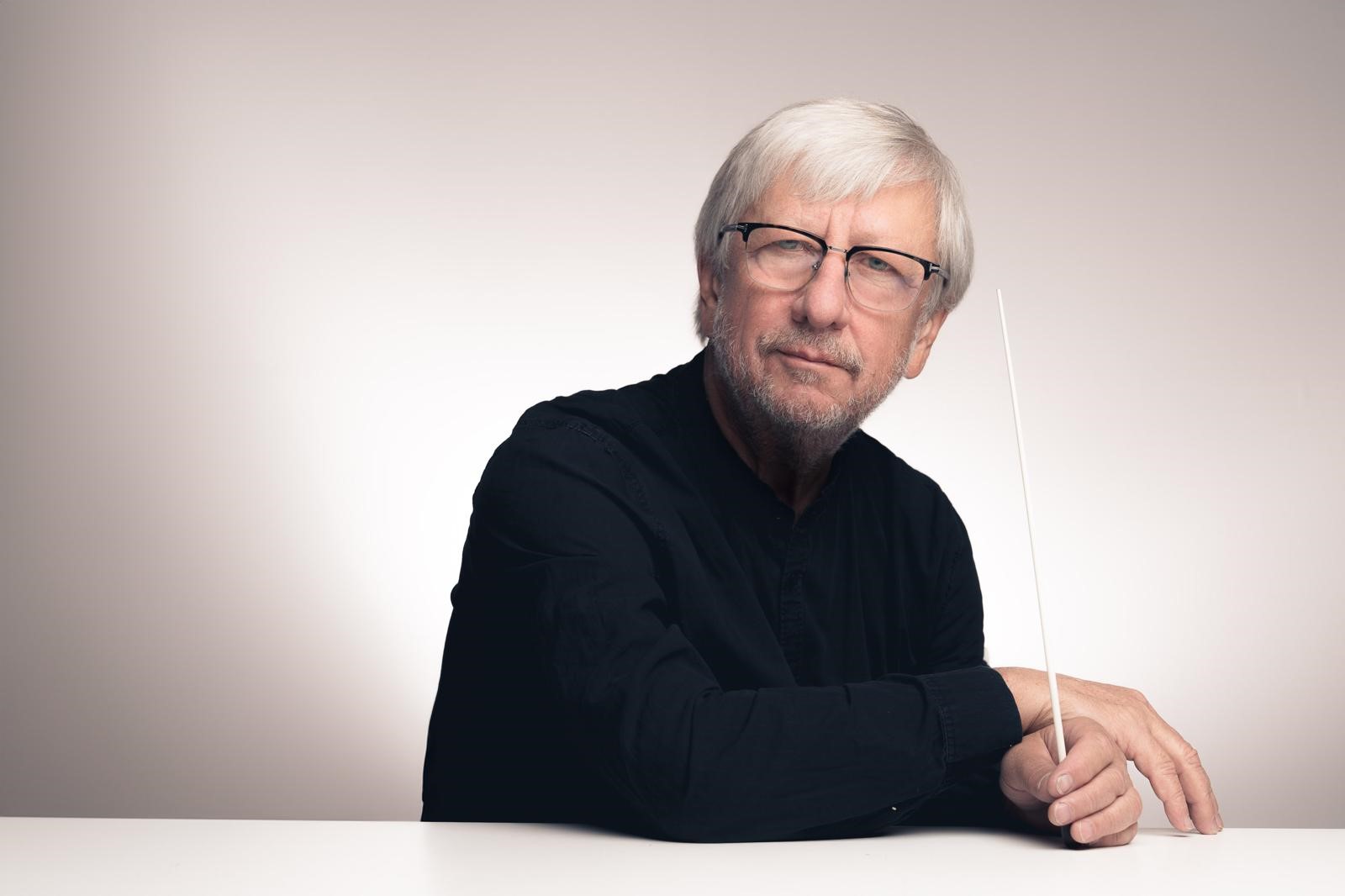
Both of Johann Sebastian Bach’s surviving Passions are among the greatest achievements of Baroque music and have defined the scope of European sacred music for three centuries now. During the concert featuring Wrocław Baroque Orchestra, the NFM Choir and NFM Boys’ Choir, conducted by maestro Andrzej Kosendiak, the earlier, more coherent and dramatic St John Passion will be performed.
The work’s premiere took place on Good Friday, April 7, 1724, in St. Nicholas’ Church in Leipzig. At the time, Bach served as cantor in the nearby parish of St Thomas, responsible for the musical setting for the most important celebrations of the liturgical year. The Passion was commissioned by the city council and from the outset was intended not only as a work of music but also as a deeply felt spiritual experience. Already the opening chorus, Herr, unser Herrscher, introduces listeners to a world of intense tension and dramatic expression, a story of the suffering and death of Christ, based on two chapters of the Gospel of John. The story narrated by John – from the moment of Jesus’ arrest in the Garden of Olives to his entombment – is supplemented by excerpts from the Gospel of Matthew and poetry by authors contemporary to Bach. The narrative is led by the Evangelist, whose recitatives add fluidity and logic. The figures of Jesus, Peter, and Pilate appear in the dialogues, and the choir takes on the role of both the crowd participating in the events and the commentary. The recitatives propel the action, while the arias freeze time – they become spaces for reflection, prayer, and personal experience. The composition is divided into two parts – in the composer’s time, these were separated by a sermon.
The rich, carefully chosen instrumentation gives the work a unique colour. The oboe da caccia, viola d’amore, viola da gamba, and lute introduce subtle nuances of sound, contributing to the emotional dimension of the Passion. It is moving in both its sweep and its focus. Bach returned to it repeatedly, making numerous amendments and revisions. As noted by the eminent scholar Christian Wolff, we might even speak of several John Passions – so significant were the composer’s changes. Bach’s ongoing effort attests to the work’s special significance in the Leipzig cantor’s oeuvre. More than three hundred years after its premiere, the St John Passion still captivates with its expressive intensity and dramatic power. Experiencing it live allows you to fully immerse yourself in the musical richness – from the powerful, moving choruses to the lyrical arias – and rediscover a work that continues to move listeners with its depth and relevance.