
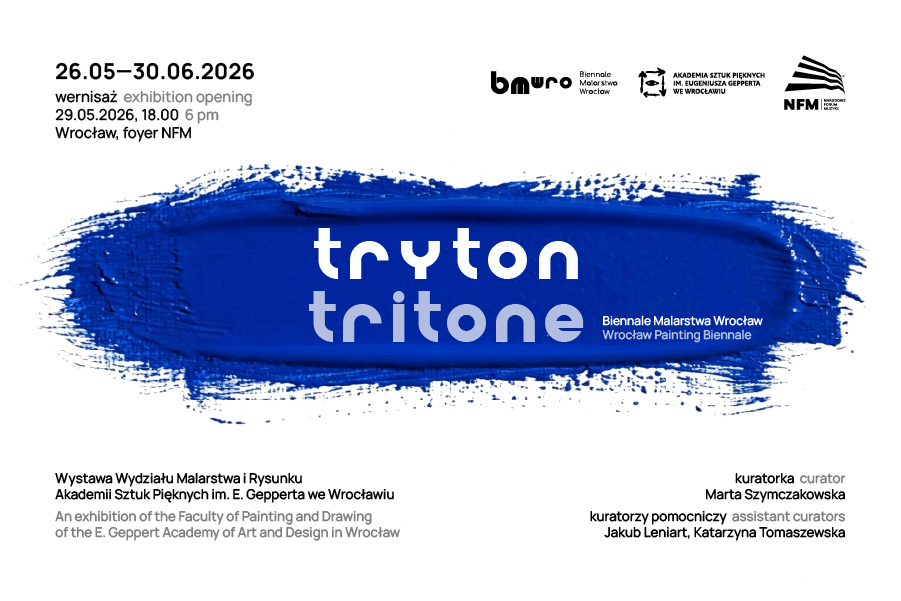
The tritone is a musical interval. It denotes a distance between two notes equal to six semitones. It is completely different from the related consonances of the fourth and the perfect fifth. While the fourth and fifth begin many musical hits – for example, the Christmas carol We Wish You a Merry Christmas or the famous opening theme of each Star Wars film – the tritone is much less frequently found at the beginning of well-known pieces. A rare example is the famous song Maria from West Side Story. This is because the tritone is dissonant and therefore “unpleasant” to the ear. For this reason, in the Middle Ages, it was called diabolus in musica. In pre-Romantic periods, it was used quite rarely to express pain and regret. In Romanticism, it was consciously used as a symbol of the devil. Later, its popularity grew. Today, partly due to these historical associations, we often hear it in heavy metal, although it also appears in other genres, including blues.
The discordant and grating sound of the tritone is unsettling and irritating. It creates a sense of dissatisfaction and demands resolution. It also possesses a power that fascinates and builds drama (hence its frequent presence in horror film soundtracks). You can listen to it online by selecting the tritone interval*.
How can one translate the “ugliness” and tension of the tritone into the language of visual arts? This is the task to which lecturers from the Faculty of Painting and Drawing at the Academy of Art and Design in Wrocław and guests participating in the 2026 Painting Biennale organised by this university were invited. Fifty artists took up the musical and visual challenge and will present their works in the foyer of the National Forum of Music at the end of May.
The exhibited works will explore the title theme through works that are often dissonant, contain an alien element, or are unsettling in form or content. Each will be different. Each will surprise you with a specific approach to the subject. You will experience a rich, diverse exhibition and discover within it many visual tritones.
Marta Szymczakowska
Curator
(*Courtesy of https://virtualpiano.online/)