
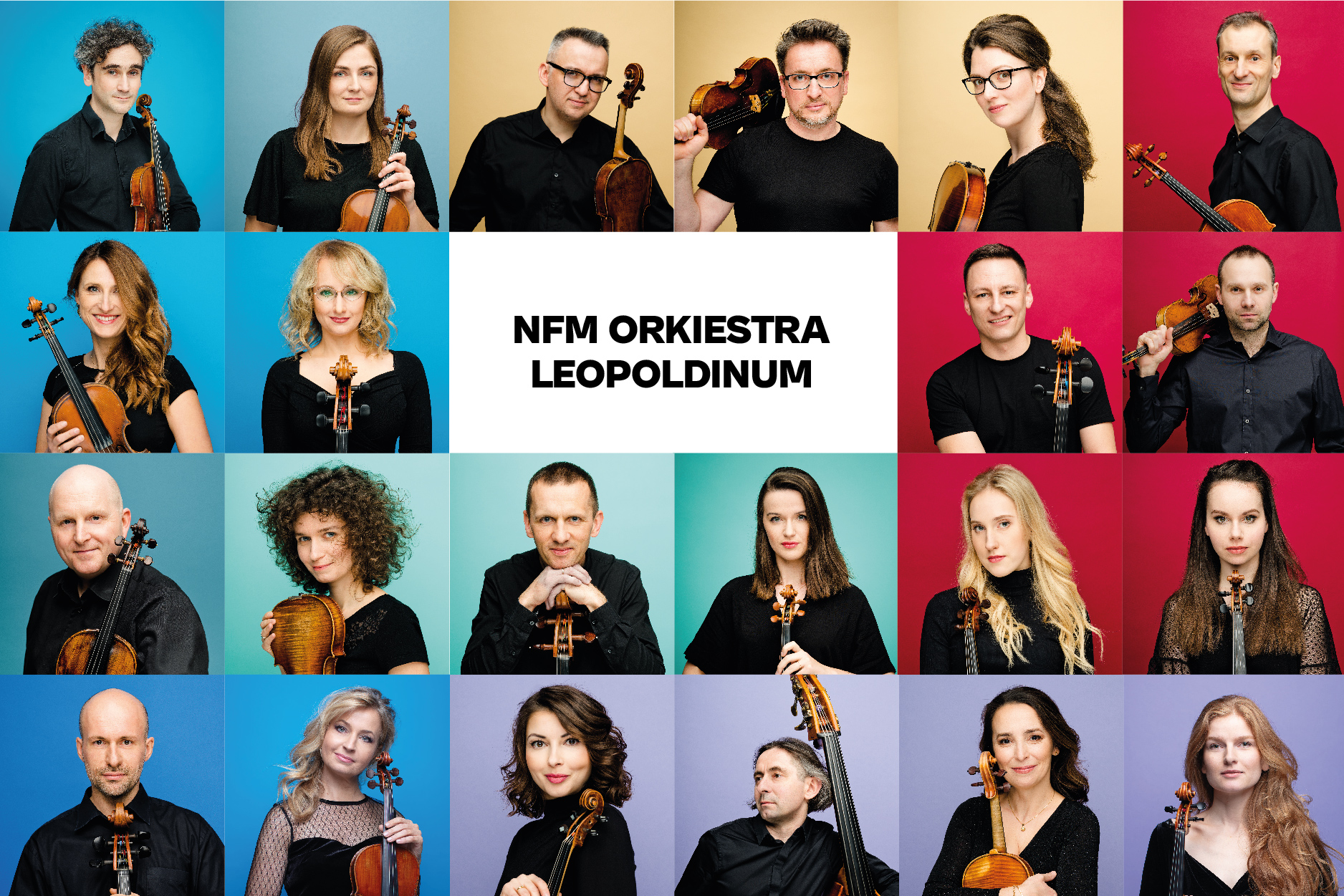
The NFM Leopoldinum Orchestra’s programme will feature works by great opera masters: Giacomo Puccini, Giuseppe Verdi, Pyotr Tchaikovsky, and Gioacchino Rossini. However, we won't hear a single aria. The ingeniously constructed repertoire focuses on the instrumental oeuvre of these prominent composers and those inspired by them. The work of Rossini will be evoked in a virtuoso arrangement of one of his melodies, written by Niccolò Paganini.
From Giacomo Puccini’s legacy, the artists have chosen the elegiac Crisantemi from 1890 – one of the few instrumental works of his career. The chrysanthemum is a symbol of mourning not only in Polish but also in Italian culture. The composer of Tosca wrote this piece at the news of the death of his friend Amadeus I of Savoy – Duke of Aosta and briefly ruler of Spain. The String Quartet in E minor stands out among Giuseppe Verdi’s works. It is his only chamber work known today. It was composed in Naples during the prolonged wait for the premiere of Aida. It demonstrates his profound knowledge of Viennese genre patterns, but the Italian master would not have been himself if he had stripped it of the emotional impact of his most popular operas.
After intermission, we will hear Niccolò Paganini’s variations, whose theme wa taken from Rossini’s opera Moses in Egypt – specifically, from the ensemble Dal tuo stellato soglio. Melodies evocative of opera theatre will also be found later in his Cantabile. The evening will conclude with Pyotr Tchaikovsky’s String Sextet in D minor “Souvenir de Florence”. The piece was written in 1890, shortly after the composer's return from Italy. Musically, it stems more from the classical tradition than from Italian models. The artist himself admitted that working on this form was a considerable challenge for him, yet the result is dazzling. The first movement is striking in its dramatic intensity, set to a waltz rhythm, demonstrating Tchaikovsky’s mastery of counterpoint. It is contrasted by the atmospheric Adagio cantabile, which introduces a nocturnal aura. The final movements reference Slavic folklore – the third movement is a cheerful dance, though tinged with melancholy, while the finale delivers a spectacular climax, most probably inspired by a folk song.