
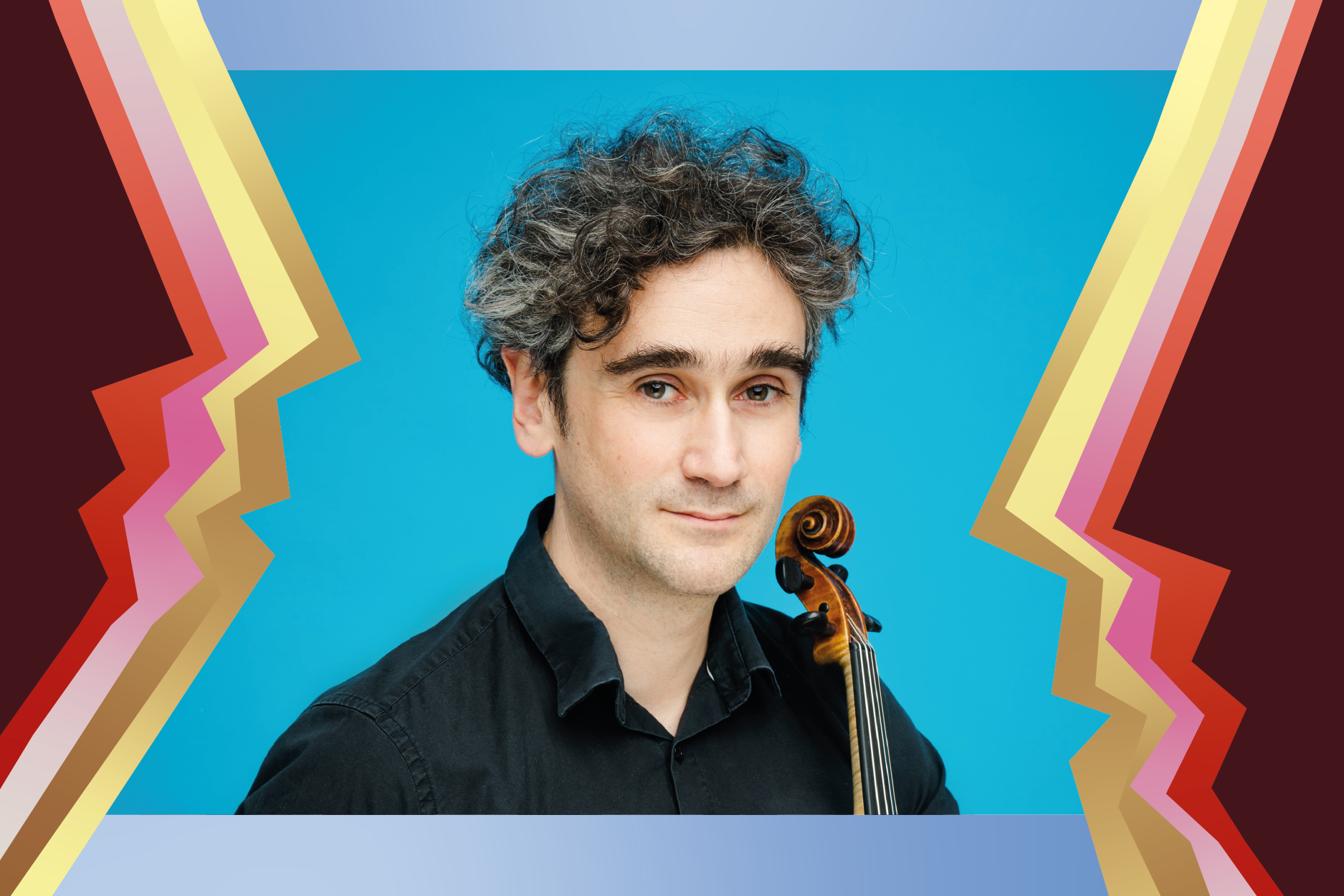
A joint concert by the NFM Leopoldinum Orchestra soloists and undergraduates of universities of music selected through a competition will provide an opportunity to hear major chamber works from Central European countries – Czechia and Austria. One of these, alongside compositions by Antonín Dvořák and Arnold , will be Bedřich Smetana’s autobiographical String Quartet No. 1. It served as a way for the composer to come to terms with his own life.
Bedřich Smetana is remembered primarily for his cycle of symphonic poems, My Homeland, which combines programme music with Czech folklore. The work we will hear during the Leo Festival is a rare example of integrating programme music into chamber form. Its first movement evokes the composer’s youth, with its carefree spirit, but also its longings and harbingers of trouble. The second movement introduces a polka rhythm, alluding to Smetana’s love of dancing. This is followed by a sorrowful recollection of the composer’s deceased wife. The finale features a piercing, high E note – portending the deafness with which the composer struggled in the last decade of his life.
Immediately after this, we will hear the String Quintet No. 2 by another great Czech Romantic – Antonín Dvořák. This work was composed in 1875, a year earlier than Smetana’s Quartet. In his composition for two violins, viola, cello, and double bass, the composer demonstrates remarkable skill in using small structures to create expansive forms. The concert will conclude with the Verklärte Nacht, originally intended for string sextet. This is an early piece by Arnold Schönberg, not as radical as his later dodecaphonic works. Following the path blazed by Richard Wagner, this work from 1899 is remarkably modern for the end of its era. Its composition was inspired by Richard Dehmel’s poem about a dramatic nocturnal encounter between two lovers. This creative impulse makes The Transfigured Night a chamber equivalent of a symphonic poem.